
TRAUMA & EMDR


Our brains are constantly taking in information about the world around us. Some information gets used in our day to day working memory, some information gets pruned or forgotten as insignificant, and some gets filed away as long term and significant memories…
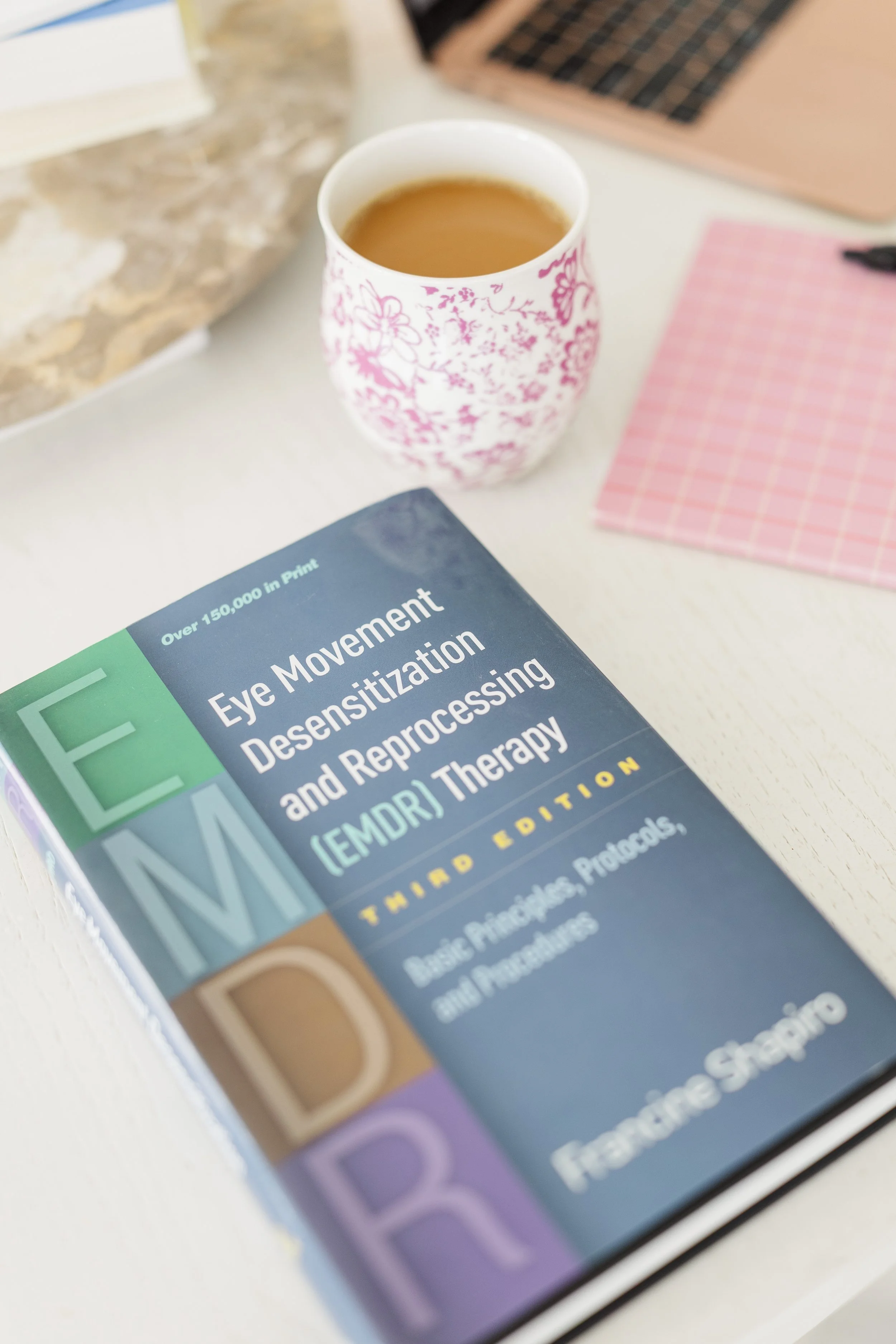
But what happens when something traumatic happens? When someone experiences deep emotions- including fear, anxiety, anger, pain, and hurt- that information can get stored in fragmented or disorganized ways in the brain. People who have experienced trauma often question their memories of the experience(s) and the sequence of events. It can change the way they view the world, others, or themselves. Traumatic memories can often be vivid and accompanied by intense physical emotions of discomfort or prompted by associated sounds, smells, or images.
Symptoms of trauma can include, but aren’t limited to:
Emotional symptoms: panic, anxiety, guilt, shame, fear, sadness, depression, hopelessness, irritability, anger, and mood swings
Cognitive symptoms: negative thoughts about self, trouble focusing, intrusive memories or flashbacks, and nightmares
Physical symptoms: fatigue, muscle tension, headaches, stomachaches, unexplained pain, feeling on edge, startling easily, racing heart, sweating
Behavioral symptoms: avoiding reminders of trauma, withdrawing, seeking numbing through food, substances, screens or other activities, difficulty relaxing
Relational symptoms: challenges with trusting, difficulty maintaining relationships, struggles with connection, feeling isolated or misunderstood
a note of hope...These symptoms are not signs of weakness — they’re your mind and body’s way of trying to cope with overwhelming stress. With the right support, healing is possible. Trauma therapy, including EMDR, can help you process what happened, feel safe in your body again, and reconnect with yourself and others.
Eye Movement Desensitization and Reprocessing (EMDR) is a structured and evidenced-based intervention that uses bilateral stimulation (can include tactible buzzers, self-tapping, or back and forth directed eye movement ) to decrease the intensity, vividness, or felt emotions when recalling traumatic memories or experiences.

Once assessed for appropriateness, a trained clinician leads clients through each phase of EMDR to support the brain’s natural processes of healing- removing some of the intense emotions, negative self-beliefs, and visceral responses from memories and reorganizing understanding about the experience with greater senses of calm and positive self-perceptions.
8 STEPS OF EMDR
1. HISTORY & GETTING TO KNOW YOU
We start by talking about your background, what’s bringing you to therapy, and what you’d like to work on. This stage helps me understand your story and identify which memories or experiences may be connected to your current challenges.
2. PREPARATION & BUILDING SAFETY
Before we ever begin reprocessing memories, we focus on building trust and safety. You’ll learn calming and grounding techniques to help you feel centered both in and outside of sessions. This is about making sure you have the tools and support you need before doing deeper work.
3. ASSESSMENT
Together, we identify a specific target — a memory or experience that still feels distressing. We’ll explore the images, thoughts, emotions, and body sensations that come up around it, so we have a clear starting point for EMDR processing.
4. DESENSITIZATION (REPROCESSING THE MEMORY)
Using gentle bilateral stimulation (eye movements, tapping, or sounds), we help your brain reprocess the memory in a way that reduces its emotional charge. You’re awake and in control the whole time — I guide you through the process at a pace that feels right for you.
5. INSTALLATION (STRENGTHENING POSITIVE BELIEFS)
Once the distress linked to the memory decreases, we focus on strengthening positive, realistic beliefs about yourself (for example, shifting from “I’m not safe” to “I survived and I’m strong”).
6. BODY SCAN
We check in with your body to notice any lingering tension or sensations. This helps ensure that healing is happening both emotionally and physically — that your body feels as calm as your mind does.
7. CLOSURE
Every session ends with grounding and calm, no matter where we are in the process. We use relaxation techniques to make sure you feel stable and present before leaving the session.
8. REEVALUATION
At the beginning of each new session, we check in on your progress and see how things are feeling now. Healing with EMDR is often like peeling back layers — each stage builds on the last, helping you feel lighter, safer, and more empowered over time.

Healing through EMDR is a journey, however clients often describe it as a deeply freeing process that helps them to feel less triggered, more at peace, and more like themselves again.
Reach out today to see if EMDR might be the next right step for you!
THERAPY IS INCREDIBLY RELATIONAL.
Want to check if we are a good fit? Schedule your free 15 minute phone consultation today.