

KIDS & TEENS
EMDR FOR
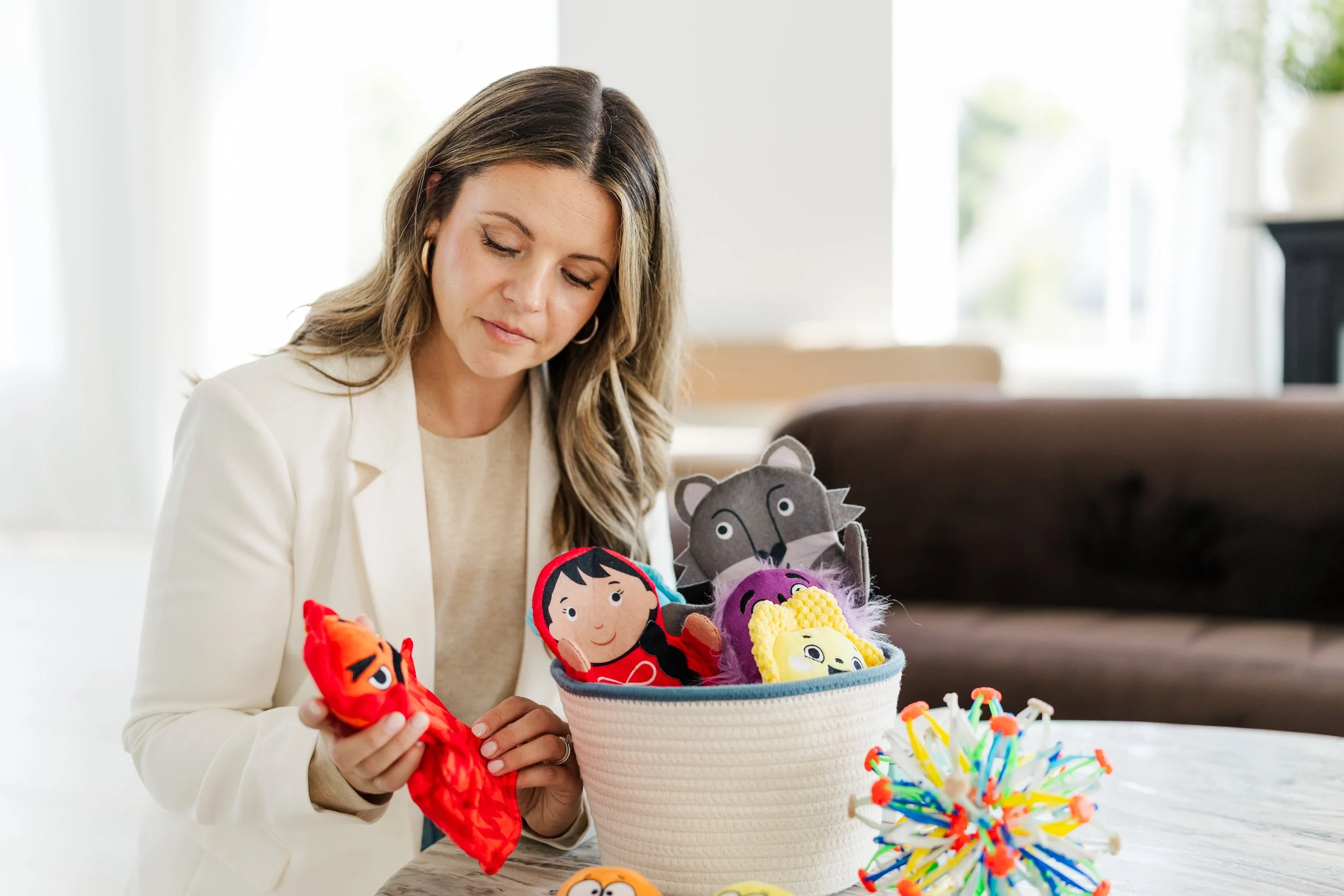
Children and teens experience and express trauma differently than adults. They may not have the words to explain what they’re feeling, so trauma often shows up through behavior, emotions, or physical changes.
If your child or teen has been through something stressful, scary, or overwhelming, here are some signs they might be struggling:
-
Increased irritability, anger, or mood swings
Clinginess or separation anxiety
Withdrawal from friends or family
Acting out at home or school
Sudden changes in behavior or personality
Excessive worry, fear, or guilt
Regressions (e.g., bedwetting, baby talk, thumb sucking) in younger children
-
Trouble sleeping or frequent nightmares
Stomachaches, headaches, or other unexplained aches
Fatigue or restlessness
Startling easily or appearing “on edge”
Changes in appetite
-
Difficulty concentrating or paying attention
Drop in grades or school performance
Forgetfulness or confusion
Daydreaming or seeming “checked out”
a note for parents:If you recognize several of these signs, it doesn’t necessarily mean your child has trauma — but it does mean they could benefit from extra support. Therapy can help children and teens make sense of their experiences, rebuild a sense of safety, and learn healthy ways to express their emotions.
Trauma-informed therapy and EMDR (adapted for kids and teens) can be especially effective, helping them feel calmer, more confident, and more connected again.

STAGES OF EMDR
FOR KIDS & TEENS
1. CREATING A SENSE OF SAFETY & BUILDING REPORT
The first step is helping your child or teen feel safe and comfortable. We go slowly, focusing on trust, predictability, and emotional safety before talking about difficult experiences. For younger children, this often happens through play, art, and gentle conversation; for teens, it may look more like open discussion and skill-building.
2. HELPING THEM UNDERSTAND & EXPRESS FEELINGS
Many kids don’t have the words to describe what they feel after a difficult experience. We practice learning and naming emotions, understanding reactions, and healthy ways to express them. This can be through creative and art activities, play, talking, stories, and games.
3. TEACHING CALMING & COPING SKILLS
Before we process any challenging memories, I teach tools that help your child regulate their emotions and body responses. These might include breathing exercises, grounding techniques, visualization, or sensory-based tools to use at home and school.
4. PROCESSING TRAUMATIC MEMORIES
When your child feels ready, we gently begin to process the traumatic experiences using age-appropriate methods. This process helps their brain reprocess distressing memories so they no longer feel as intense, confusing, or “stuck.”
For children, reprocessing with bilateral stimulation may involve storytelling, movement, or tapping rather than eye movements.
For teens, it may look more like traditional EMDR but at a slower, more collaborative pace.
5. BUILDING CONFIDENCE & CONNECTION
As therapy progresses, many children and teens begin to feel calmer, more confident, and more in control of their emotions. They often sleep better, handle stress more easily, and reconnect with friends, school, and family life.

INVOLVING PARENTS & CAREGIVERS
You play a vital role in your child’s healing. I often meet with parents separately to share insights, support strategies, and ways to respond to trauma-related behaviors at home. This teamwork helps strengthen safety and connection — key components in healing.

a message of hopeHealing from trauma doesn’t erase the past, but it allows your child to move forward with resilience and self-compassion. With the right support, children and teens can rediscover their joy, creativity, and sense of safety in the world.
If your child has been struggling, you don’t have to navigate it alone. Reach out today to talk about what this could look like for your family.